By Joke Kujenya
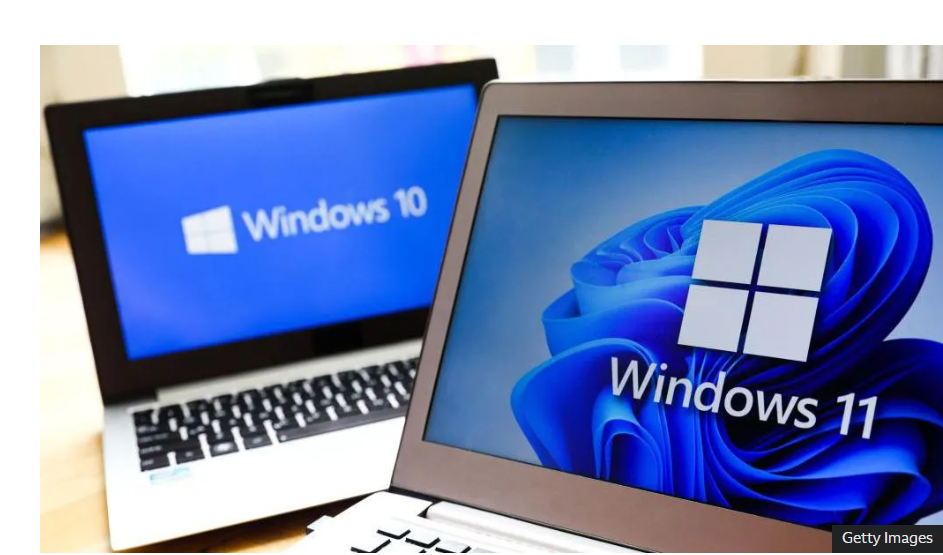
SUPPORT FOR Windows 10 has officially ended on Tuesday 14 October 2025, bringing to a close all updates, security patches, and technical assistance for the widely used operating system.
The change is expected to affect millions of computer users worldwide, with cybersecurity experts warning of increased risks for those who continue to run outdated systems.
According to Microsoft, after the end-of-support date, devices operating on Windows 10 will no longer receive free software or security updates, leaving them vulnerable to emerging threats.
The company said the more recent Windows 11 “meets the current demands for heightened security by default” and remains its recommended system for users and businesses.
Data from analytics platform Statcounter also showed that as of July 2025, about 43% of the world’s 1.4 billion Windows devices were still running Windows 10.
In the United Kingdom (UK), consumer group ‘Which?’ estimated that around 21 million people continued to use the software.
A survey conducted in September by the group found that a quarter of respondents planned to keep using Windows 10 after support ends, while one in seven said they would buy a new device.
Consumer rights groups have criticised Microsoft’s decision, arguing that it will increase electronic waste and force users into unnecessary spending.
Nathan Proctor, senior director at the US-based Public Interest Research Group (PIRG), said: “The end of support for Windows 10 is shaping up to be a disaster for both consumers and the environment.
“People are tired of living in a world filled with short-lived devices we can’t fix or lose software support for, or are otherwise forced into the waste stream. We deserve tech that lasts.”
Microsoft has outlined two main options for users wishing to remain secure.
Those with eligible PCs can upgrade to Windows 11 for free, while others can enrol in the Extended Security Updates (ESU) programme, which continues essential protection for 12 months beyond the end-of-support date.
The ESU scheme will be available until October 2026 but does not include technical assistance or software enhancements.
Personal users within the European Economic Area can access ESU at no cost by registering their devices, while others may pay a $30 (£22) fee or redeem 1,000 Microsoft Rewards points.
For organisations, the cost will begin at $61 per device, depending on location and licensing arrangements.
Microsoft Consumer Chief Marketing Officer Yusuf Mehdi stated in a company blog post that businesses running unsupported software could “find it challenging to maintain regulatory compliance.”
He urged users to upgrade promptly to avoid vulnerabilities.
Cybersecurity experts have warned that unsupported operating systems are a prime target for malicious attacks. Without new patches, Windows 10 systems will become more exposed to viruses, ransomware, and data breaches.
“Criminals are going to target people, exploit weaknesses, and steal data,” said Lisa Barber, editor of Which? Tech magazine.
To check if their device supports Windows 11, Microsoft advises users to review their PC specifications. Minimum requirements include 4GB of RAM, 64GB of storage, and a Trusted Platform Module (TPM) 2.0 chip – a security component built into most modern machines.
The company has also released a free compatibility tool to assist users.
For older PCs that cannot install Windows 11, Microsoft recommends either subscribing to the ESU service or considering alternative operating systems.
Consumer groups suggest installing free and secure systems such as Linux or Google’s ChromeOS Flex, both of which can extend the usability of existing hardware.
Promptly, Canonical’s Ubuntu, one of the most popular Linux distributions, offers free installation and ongoing security updates, though users are advised to back up all files before replacing Windows.
Some users may ultimately decide to purchase a new computer equipped with Windows 11.
However, retailers, including Dell and Currys, as well as marketplaces such as Back Market, now offer refurbished or trade-in options to encourage recycling of old devices and reduce environmental impact.
Microsoft has maintained that its shift away from Windows 10 is part of a long-term security strategy designed to strengthen user protection against increasingly sophisticated cyber threats.
The company stated that the end of support reflects a focus on modern systems built with enhanced encryption, secure boot processes, and cloud connectivity.